
Struggling to decide between steel and aluminum for your next project? You’re not alone. This decision can affect everything from strength and weight to your overall budget — and making the wrong choice may lead to performance issues or increased costs down the line.
As a trusted steel manufacturing company in Punjab, we regularly guide clients in comparing steel and aluminum based on their project requirements. Whether you’re building machinery, components, or consumer products, it’s crucial to understand how steel and aluminum compare — and which one will best serve your application.
In this guide, we’ll break down the differences between the two metals, compare their key features, and share real-world applications to help you make the right decision based on performance and practicality.
What is Steel?
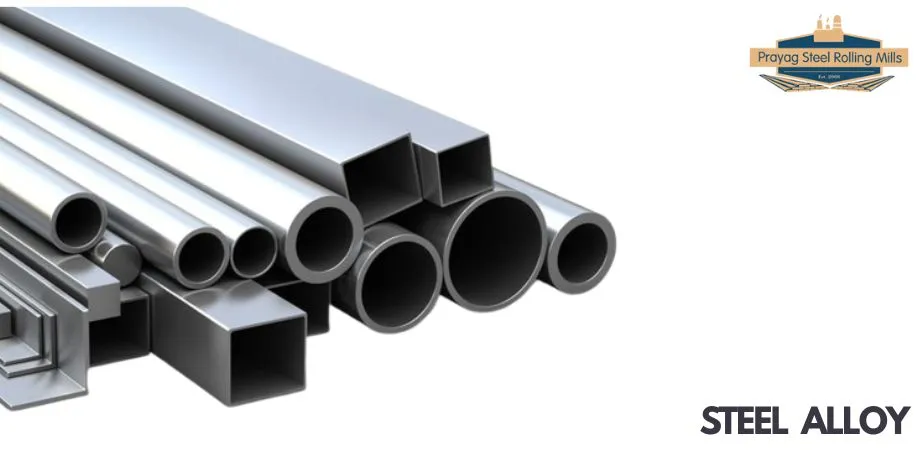
Steel is an alloy primarily made from carbon and iron. It is known for its exceptional strength, durability, and versatility. Depending on its grade and treatment, steel can be adapted for everything from massive structural beams to precision-cut components. It’s commonly used in construction, automotive, machinery, and industrial manufacturing.
What is Aluminum?
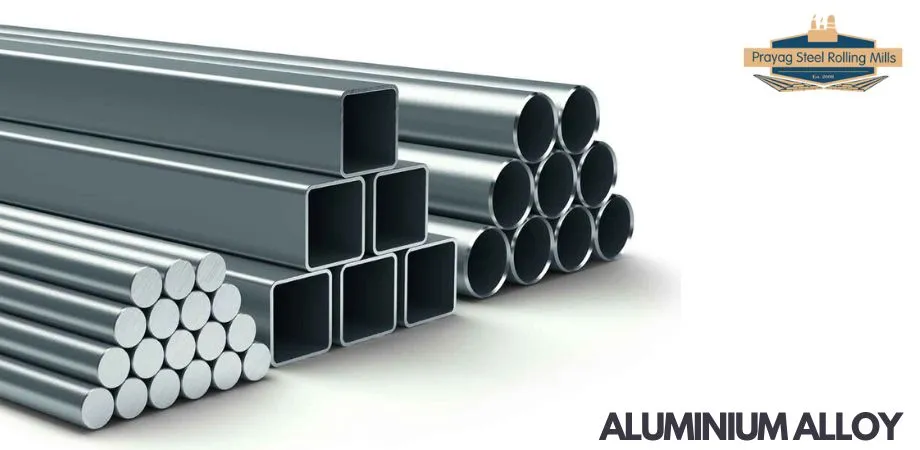
Aluminum is a lightweight and non-ferrous metal recognized for its strong resistance to corrosion, excellent ductility, and efficient thermal conductivity. It’s used in sectors where weight reduction is key — like aerospace, transportation, and consumer electronics. While not as strong as steel, its corrosion resistance and ease of machining make it ideal for certain environments.
Key Features – Steel vs. Aluminum
Steel Features:
- High Tensile Strength: Withstands heavy loads and impact.
- Rigidity: Maintains shape under pressure, ideal for structural work.
- Cost-Effective: Generally more affordable per kilogram than aluminum.
- Weldable & Machinable: Adaptable for various fabrication processes.
- Fire Resistant: Tolerates high temperatures without deforming.
Aluminum Features:
- Lightweight: One-third the density of steel — crucial for mobility and transport.
- Corrosion-Resistant: Naturally forms a protective oxide layer.
- Easy to Machine: Faster cutting speeds, lower tool wear.
- Excellent Thermal Conductivity: Ideal for heat dissipation and electronics.
- Visually Appealing: Sleek surface finishes, often used for consumer products.
Side-by-Side Comparison
| Attribute | Steel | Aluminum |
| Strength | Very High | Moderate to High (for alloys) |
| Weight | Heavy | Lightweight |
| Corrosion Resistance | Requires coating or alloying | Naturally resistant |
| Cost (Raw Material) | Lower | Higher |
| Workability | Tougher to machine | Easier to cut, shape, and form |
| Thermal Conductivity | Lower | Higher |
| Best Use Case | Heavy-duty structural components | Lightweight, corrosion-prone uses |
Real-World Examples Matter
In applications where reducing weight is critical — like aerospace components — aluminum alloys are often preferred due to their lightweight nature and resistance to corrosion. On the other hand, for structures such as factory support frames or machinery bases, steel remains the top choice thanks to its superior strength and long-term durability. The decision always comes down to the specific performance and cost requirements of the project.
As experienced steel manufacturers, we’ve seen how choosing the wrong metal for the wrong environment can increase maintenance and wear — especially in marine or outdoor environments where corrosion resistance is non-negotiable.
How to Decide What’s Right for You
- Need raw strength and durability? Go with steel.
- Want lightweight and corrosion resistance? Aluminum is the way to go.
- Concerned about the budget? Steel is more cost-effective — especially in bulk.
- Need heat dissipation or high conductivity? Aluminum wins.
It’s also worth considering finishing options: coatings, fuel, or anodizing can boost the performance of both materials, making them suitable even in borderline cases.
Final Thoughts
There’s no absolute winner in the battle of steel vs. aluminum — only the best material for your specific needs.
Choosing between steel and aluminum depends on more than just material properties — it’s about matching the right metal to the right application. Whether your priority is strength, weight, cost-efficiency, or corrosion resistance, our expertise in steel manufacturing helps you make informed decisions with confidence.
Need guidance? Reach out to Prayag Steel Rolling Mills, a reliable name in steel manufacturing that understands your business and your objectives.