In the steel industry, the steel flat bars are one of the most versatile products. They serve as a backbone material in countless projects from manufacturing to fabrication with their simple rectangular cross-section and range of sizes. Flat bars are valued for their strength, durability, and adaptability, from building frameworks to crafting custom machinery parts.
What is Steel Flat Bar?
A solid steel object having a flat quadrilateral figure is called a steel flat bar. It is appropriate for a broad range of procedures because it comes in different viscosities and extents. Depending on the steel grade used — mild, carbon, composite, or stainless the flat bar can offer different situations of strength, hardness, and erosion resistance.
How Steel Flat Bars Are Manufactured
Raw Material Selection:
The process begins with high-quality steel billets or crossbeams chosen for their mechanical strength and chemical composition. The grade of steel is named according to the specific end-use, striking the right balance between strength, erosion resistance, and flexibility.
Hot Rolling:
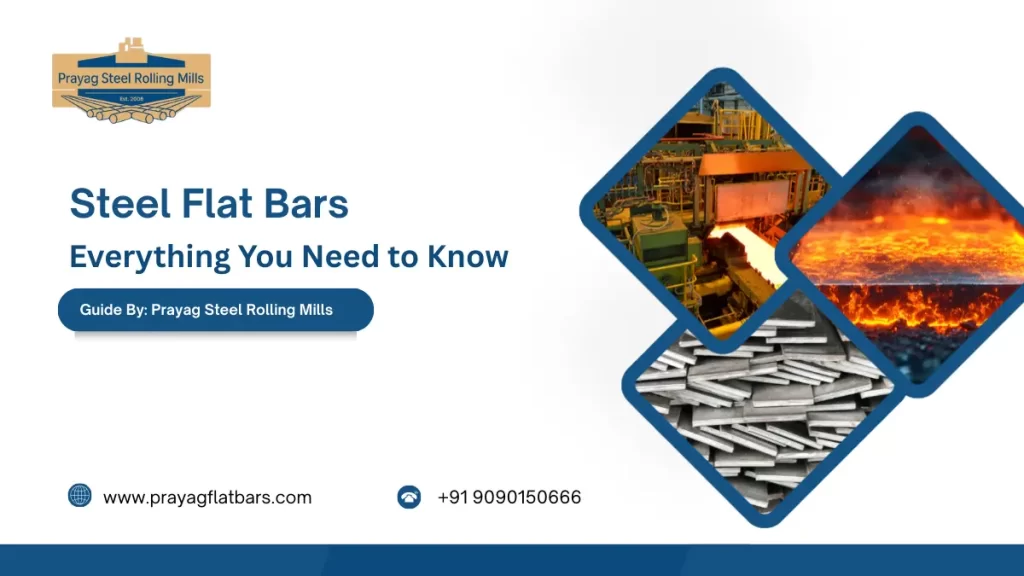
In high temperatures, steel is heated to make it ductile and then passed through rolling mills. These mills shape the steel into flat bar profiles and reduce the thickness, also to give the product a compatible size and structure.
Cutting to Size:
After rolling, the bars are cut according to the requirements, either standard or custom, using a precision cutting machine. This step ensures invariant sizes for easier running, transportation, and use in fabrication.
Finishing:
To enhance continuity and aesthetics, the bars undergo treatments like grinding, shot firing, or charging. These processes remove face defects and protect the sword against rust and wear.
Applications of Steel Flat Bars
- Manufacturing – Ideal for making machine components, tools, and fabricated essence products where perfection and strength are important.
- Automotive – Generally used for classes, lattice corridor, and custom variations in vehicles.
- Furniture & Décor – Favored in making ultramodern cabinetwork frames, rails, and architectural designs.
How to Choose the Right Steel Flat Bar
- Determine the Grade – Choose a sword grade based on conditions similar to erosion resistance(pristine), tensile strength( carbon sword), or cost- cost-effectiveness (mild steel).
- Check the confines – Width, consistency, and length should match your operation’s requirements for cargo capacity and fit.
- Consider the Finish – Galvanized or carpeted bars are better for out-of-door or sharp surroundings, while plain sword works well outdoors.
- Supplier Reliability – Partner with trusted suppliers who offer harmonious quality, instruments, and timely delivery.
Advantages of Flat Bars
- Versatility – Can be cut, drilled, and welded into innumerable shapes for different operations.
- Continuity – High resistance to wear, impact, and distortion, ensuring long service life.
- Ease of Fabrication – Simple structure allows easy running and processing without complex tools.
- Cost-Effective – Offers strength and mileage at a reasonable price compared to more complex sword forms.
Maintenance of Steel Flat Bars
- Regular Cleaning – Remove dirt, grease, and sharp deposits to maintain appearance and performance.
- Rust Prevention – Apply defensive coatings or maquillages, especially in outdoor or sticky conditions.
- Examination – Check periodically for bends, cracks, or face damage to help prevent structural failures.
- Storehouse – Keep in a dry, covered place to avoid humidity exposure and minimize erosion pitfalls.
Conclusion
Steel flat bars are an essential element in numerous rigors due to their rigidity, strength, and cost-effectiveness. Whether used in construction, manufacturing, or custom fabrication, choosing high-quality flat bars ensures performance and longevity.
If you are looking for the best flat bar suppliers in Punjab, contact Prayag Steel Rolling Mills for a smooth and hassle-free experience in manufacturing or fabrication.