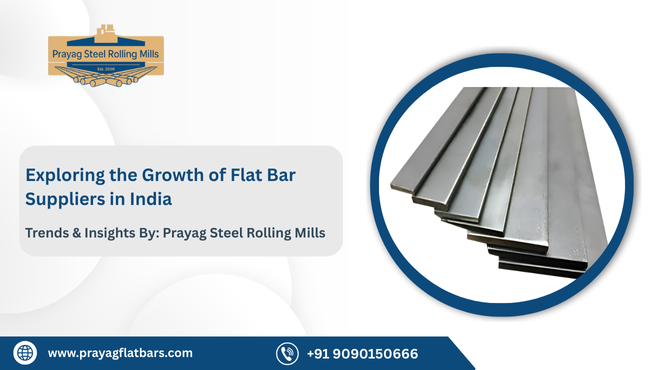
The steel industry in India has evolved into one of the country’s strongest pillars of its industrial economy. Among the many segments of steel, flat bar suppliers in India play a crucial role in serving industries such as construction, infrastructure, railways, automotive, and heavy machinery. Known for their versatility and strength, steel flat bars are widely used in structural frameworks, fabrication, tools, and agricultural equipment.
In recent years, the demand for flat bars has increased significantly, not just in domestic markets but also in global trade. This surge has opened new opportunities for suppliers while reshaping the competitive landscape. Let’s explore the growth of flat bar suppliers in India, the trends driving this expansion, and what the future holds.
Rising Demand for Flat Bars in India
The Indian construction and manufacturing sectors have been key drivers of demand for flat bars. Urbanization, large-scale infrastructure projects, and industrial expansion are fueling the need for precision-engineered, high-strength steel flat bars. Whether it’s bridges, highways, machinery parts, or fabrication work, flat bars are integral to modern engineering and design.
Additionally, Indian suppliers have become more prominent in international markets, exporting flat bars that meet global standards of quality and durability. This has positioned India as not just a consumer market but also a reliable exporter.
Key Growth Drivers for Flat Bar Suppliers
- Infrastructure Development – Projects like Smart Cities, railways modernization, and industrial corridors are creating huge demand.
- Automotive & Engineering Needs – Industries rely on a consistent supply of mild steel and alloy flat bars for manufacturing.
- Export Growth – Indian flat bar suppliers are expanding into the Middle East, Africa, and Southeast Asia, offering competitive pricing and quality.
- Customization – The ability to provide flat bars in various grades, sizes, and finishes helps suppliers stand out.
Latest Market Trends
- Quality Certifications – More suppliers are adopting ISO, BIS, and other certifications to establish credibility.
- Technological Advancements – Use of modern rolling mills ensures uniformity, strength, and precision in flat bars.
- Sustainability Focus – With global awareness, eco-friendly production and recycling are becoming a priority.
- Digital Expansion – Flat bar suppliers are investing in websites, B2B portals, and digital marketing to reach wider markets.
Challenges in the Industry
Despite growth, challenges like fluctuating raw material prices, logistics issues, and global competition remain. Suppliers are addressing these through cost optimization, innovation, and long-term customer partnerships to stay competitive.
Future Outlook
The future of flat bar suppliers in India looks highly promising. As India continues to invest in infrastructure and industrialization, domestic demand will remain strong. At the same time, global exports will rise due to India’s competitive edge in cost and quality. Companies that focus on technology, certification, and customer service will emerge as leaders in this space.
Conclusion:
The journey of flat bar suppliers in India, including Prayag Steel Rolling Mills, reflects the resilience and adaptability of the country’s steel industry. With demand steadily rising across domestic industries and global markets, the flat bar segment is poised for sustainable growth. By embracing innovation, ensuring consistent quality, and focusing on customer needs, Indian flat bar suppliers are well-positioned to strengthen their presence both nationally and internationally in the years ahead.